
When an inspection makes sense
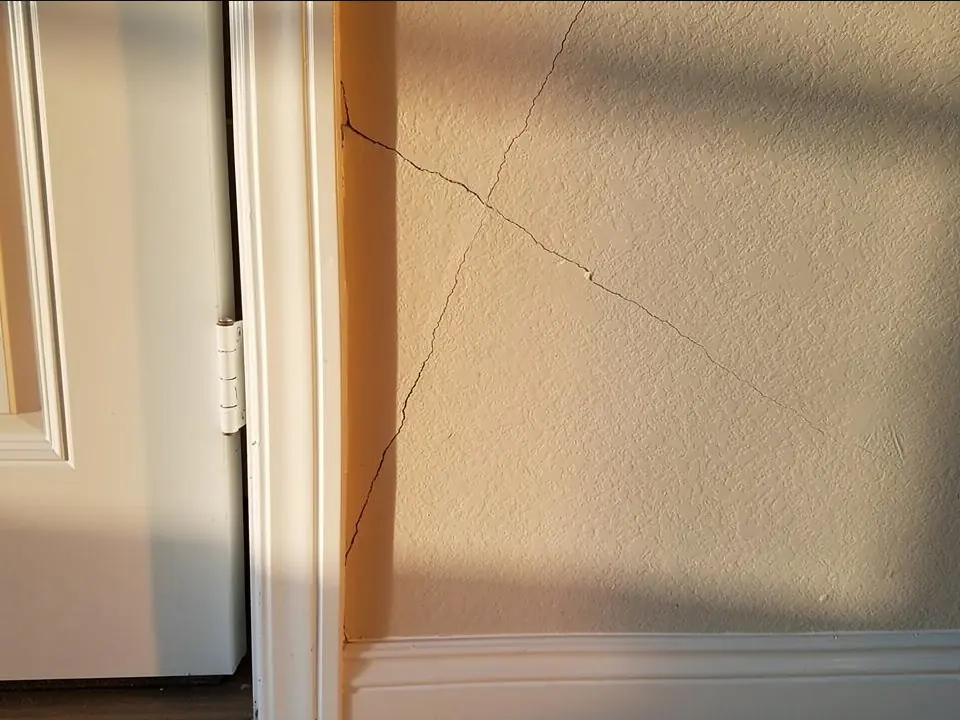
- You see new cracks, sticking doors or a sloping floor and want to know if it matters.
- You are buying a home and the general inspection flagged the foundation.
- You are selling and want to know what a buyer's inspector will find.
- A repair was done years ago and you want to know whether it is holding.
- A long dry summer or a very wet spring has you noticing the house more than usual.
- You want a baseline. Readings taken now give you something to compare against in a year, so you can tell real movement from a bad memory.
- You plan a remodel, new flooring or an addition and want to know the floor is stable before you spend money on finishes.
Frisco's soils are a big reason this comes up. A satellite soil study of Collin County maps deep, clayey Houston Black soils across much of the county, and those clays shrink and swell with moisture. An inspection tells you whether your house is riding that out normally or moving more than it should.
What happens during the inspection
- Your notes first. The pro asks what you have noticed, when, and where. Dated photos of cracks help.
- Outside walk-around. They look at the slab edge or crawl space vents, brick, grading, gutters and downspouts, and where water goes after rain. Angi notes inspectors often look at walls, trim, the attic and the roof too, since each can show signs of movement.
- Floor elevations. Readings across the rooms show the high and low points. On pier and beam homes, the pro also goes into the crawl space.
- Inside checks. Doors, windows, drywall, tile and cabinets are checked for the patterns that movement leaves behind.
- Findings and next step. You get the readings and the pro's view: monitor, fix drainage, repair, or get an engineer's opinion. If repair is needed, a written quote follows.
Angi says a typical inspection on an average-size home takes one to two hours.
Foundation inspection costs
These ranges come from Angi's 2026 inspection cost guide. Some repair pros look at the house for free before you commit, so ask. Your real price depends on the house and who does the inspection.
| Inspection | Reported range |
|---|---|
| Most homeowners, national | $300 to $3,000 |
| Slab foundation | $300 to $600 |
| Pier and beam foundation | $700 to $1,000 |
| 2,000 square foot home | $500 to $900 |
| Structural engineer hourly rate | $100 to $200 per hour |
The national average is about $600. For what the repair itself might cost, see the foundation repair cost page.
Repair pro, engineer or home inspector?
They do different jobs. A home inspector looks at the whole house for a sale and may flag the foundation. A foundation repair pro looks at the foundation to plan and quote a repair. A structural engineer gives an independent opinion and can design or sign off on a repair. In Texas, professional engineers are licensed by the Texas Board of Professional Engineers and Land Surveyors, which keeps a public way to find an engineer, so you can check a license before you rely on a report.
For a home sale or a big repair, many homeowners use both: a repair pro for the quote and an engineer for an independent check.
Questions to ask
- Will you take floor elevation readings, and will I get a copy?
- Is the inspection free, or is there a fee, and does it count toward a repair?
- Do you look at drainage and gutters, or only the foundation?
- If repair is needed, will an engineer be involved?
If the inspection points to work, read about slab foundation repair or drainage correction. To get a pro out, use the form.